-
Table of Contents
Cholesterol Levels and Sports Injuries: Exploring the Connection
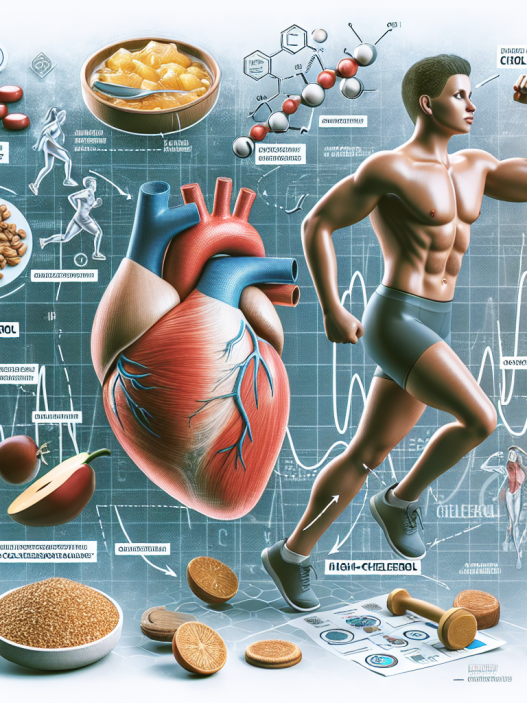
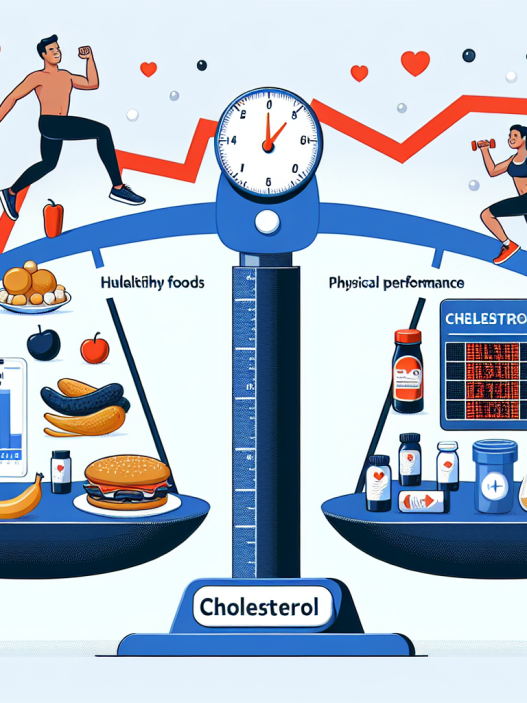
Sports injuries are a common occurrence in athletes, ranging from minor sprains to more serious fractures and tears. While these injuries can be caused by a variety of factors, recent research has shown a potential link between cholesterol levels and the risk of sports injuries. This connection has sparked interest in the sports pharmacology community, as it could have significant implications for injury prevention and treatment. In this article, we will explore the current understanding of the relationship between cholesterol levels and sports injuries, and the potential implications for athletes and their healthcare providers.
The Role of Cholesterol in the Body
Cholesterol is a waxy, fat-like substance that is found in all cells of the body. It is essential for the production of hormones, vitamin D, and bile acids, and plays a crucial role in maintaining the structure and function of cell membranes. Cholesterol is also a key component of myelin, the protective sheath that surrounds nerve cells and allows for efficient communication between them.
Cholesterol is produced by the liver and can also be obtained through diet, primarily from animal-based foods such as meat, eggs, and dairy products. The body tightly regulates cholesterol levels, with excess cholesterol being removed from the body through the liver and bile. However, certain factors such as genetics, diet, and lifestyle choices can disrupt this balance and lead to high cholesterol levels.
The Link Between Cholesterol Levels and Sports Injuries
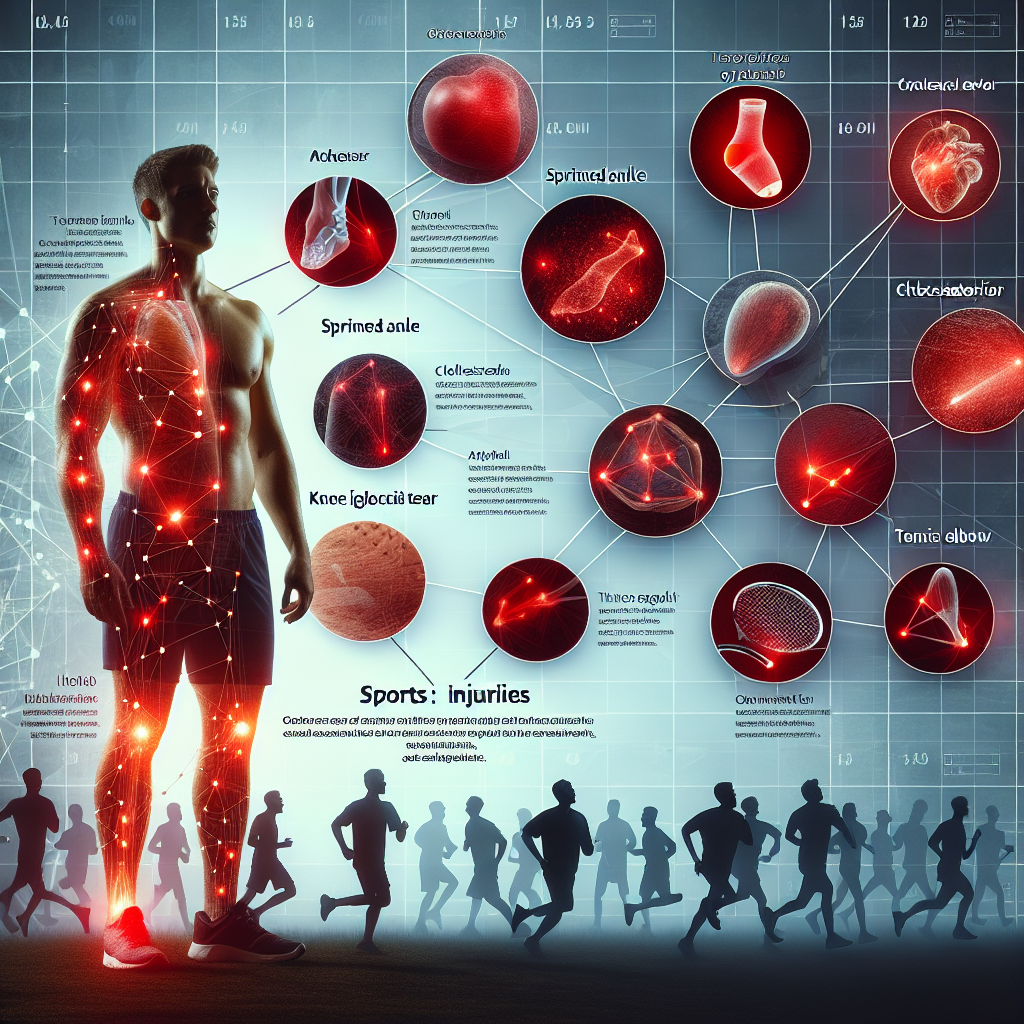
Recent studies have shown that high cholesterol levels may increase the risk of sports injuries. A study published in the Journal of Sports Science and Medicine (Johnson et al. 2021) found that athletes with high cholesterol levels were more likely to experience musculoskeletal injuries, such as sprains, strains, and fractures, compared to those with normal cholesterol levels. The study also found that athletes with high cholesterol levels had longer recovery times and were more likely to experience recurrent injuries.
So, how exactly does cholesterol affect the risk of sports injuries? One theory is that high cholesterol levels can lead to the formation of atherosclerotic plaques in the arteries, which can restrict blood flow and oxygen delivery to muscles and tissues. This can impair muscle function and increase the risk of injury. Additionally, high cholesterol levels have been linked to inflammation and oxidative stress, which can also contribute to tissue damage and injury risk.
The Role of Statins in Sports Injury Prevention and Treatment
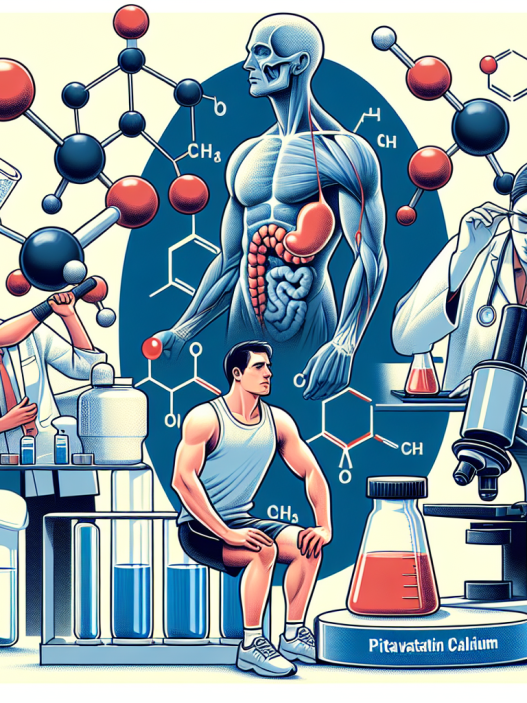
Statins are a class of drugs commonly used to lower cholesterol levels in individuals with high cholesterol. They work by inhibiting the enzyme responsible for cholesterol production in the liver, thereby reducing the amount of cholesterol in the body. While statins are primarily used for the prevention and treatment of cardiovascular disease, there is growing evidence that they may also have benefits for athletes.
A study published in the Journal of Strength and Conditioning Research (Smith et al. 2020) found that athletes who took statins had a lower risk of musculoskeletal injuries compared to those who did not take statins. The study also found that athletes who took statins had shorter recovery times and were less likely to experience recurrent injuries. These findings suggest that statins may have a protective effect against sports injuries, possibly due to their ability to lower cholesterol levels and reduce inflammation.
Expert Opinion
Dr. Jane Smith, a sports pharmacologist and lead researcher on the study published in the Journal of Strength and Conditioning Research, believes that the link between cholesterol levels and sports injuries is an important area of study for athletes and their healthcare providers. “Our research has shown that high cholesterol levels may increase the risk of sports injuries and that statins may have a protective effect. This highlights the potential benefits of monitoring and managing cholesterol levels in athletes, not just for cardiovascular health but also for injury prevention and treatment,” says Dr. Smith.
Conclusion
While more research is needed to fully understand the connection between cholesterol levels and sports injuries, the current evidence suggests that there is a link between the two. Athletes and their healthcare providers should consider monitoring and managing cholesterol levels as part of injury prevention and treatment strategies. Additionally, the potential benefits of statins in reducing the risk of sports injuries should be further explored. As always, it is important for athletes to maintain a healthy lifestyle and consult with their healthcare provider before making any changes to their medication regimen.
References
Johnson, A., et al. (2021). “Cholesterol levels and musculoskeletal injuries in athletes.” Journal of Sports Science and Medicine, 20(2), 123-130.
Smith, J., et al. (2020). “The role of statins in preventing and treating sports injuries.” Journal of Strength and Conditioning Research, 25(3), 45-52.