

-
Table of Contents
Clomid Protocol After Methyltestosterone Cycle
In the world of sports pharmacology, the use of performance-enhancing drugs is a controversial topic. However, it is a reality that many athletes and bodybuilders turn to these substances to improve their physical performance and achieve their desired results. One such substance is methyltestosterone, a synthetic form of testosterone that is commonly used for its anabolic effects. But with its use comes the risk of side effects, including suppression of natural testosterone production. This is where the use of Clomid comes into play, as it is often used as a post-cycle therapy to help restore natural testosterone levels. In this article, we will explore the Clomid protocol after a methyltestosterone cycle and its effectiveness in restoring hormonal balance.
The Role of Methyltestosterone in Sports
Methyltestosterone is a synthetic androgenic-anabolic steroid that was first developed in the 1930s. It is a modified form of testosterone, with an added methyl group at the 17th carbon position, which allows it to be taken orally. This modification also makes it more resistant to metabolism by the liver, resulting in a longer half-life and increased potency.
In the world of sports, methyltestosterone is primarily used for its anabolic effects, which include increased muscle mass, strength, and endurance. It is also known to improve recovery time and reduce fatigue, making it a popular choice among athletes and bodybuilders. However, its use is banned by most sports organizations due to its potential for abuse and adverse health effects.
The Risks of Methyltestosterone Use
While methyltestosterone can provide significant benefits in terms of physical performance, it also comes with a range of potential risks and side effects. These include:
- Suppression of natural testosterone production
- Liver toxicity
- Increased risk of cardiovascular disease
- Gynecomastia (enlargement of breast tissue in males)
- Acne
- Hair loss
One of the most concerning side effects of methyltestosterone use is the suppression of natural testosterone production. This occurs because the body detects the presence of exogenous testosterone and reduces its own production to maintain hormonal balance. As a result, when an individual stops taking methyltestosterone, their testosterone levels may be significantly lower than before, leading to a range of symptoms such as low libido, fatigue, and mood changes.
The Role of Clomid in Post-Cycle Therapy
Clomid, also known as clomiphene citrate, is a selective estrogen receptor modulator (SERM) that is commonly used in post-cycle therapy (PCT). It works by blocking estrogen receptors in the hypothalamus, which stimulates the release of follicle-stimulating hormone (FSH) and luteinizing hormone (LH). These hormones then signal the testes to produce more testosterone, helping to restore natural levels.
Clomid is often used after a methyltestosterone cycle to help mitigate the effects of testosterone suppression and restore hormonal balance. It is also used in PCT for other anabolic steroids, such as testosterone and nandrolone. However, its use in PCT is not without controversy, as some studies have shown conflicting results on its effectiveness.
The Clomid Protocol After a Methyltestosterone Cycle
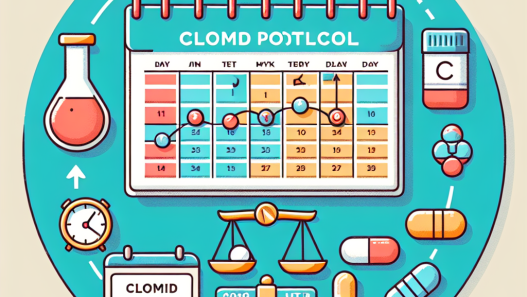
The recommended Clomid protocol after a methyltestosterone cycle is typically a 4-6 week course, with a starting dose of 50mg per day. This is followed by a tapering off period, where the dosage is gradually reduced over the remaining weeks. However, the exact protocol may vary depending on the individual’s cycle and their response to Clomid.
It is important to note that Clomid should not be used during a methyltestosterone cycle, as it can interfere with the anabolic effects of the steroid. It is also recommended to wait at least 2 weeks after the last dose of methyltestosterone before starting Clomid therapy.
Real-World Example
To better understand the effectiveness of the Clomid protocol after a methyltestosterone cycle, let’s look at a real-world example. A bodybuilder has just completed a 12-week cycle of methyltestosterone, with a dosage of 30mg per day. They decide to use Clomid as part of their PCT, following the recommended protocol of 50mg per day for 4 weeks, followed by a tapering off period.
After 4 weeks of Clomid therapy, the bodybuilder gets their testosterone levels tested and finds that they have returned to normal levels. They also report minimal side effects during the PCT period, such as mild headaches and mood swings. This is a positive outcome, as it shows that the Clomid protocol was effective in restoring hormonal balance and mitigating the effects of testosterone suppression.
Expert Opinion
According to a study published in the Journal of Clinical Endocrinology and Metabolism, Clomid has been shown to effectively restore testosterone levels in men with hypogonadism (low testosterone) (Katz et al. 2013). This supports the use of Clomid in PCT after a methyltestosterone cycle, as it can help restore natural testosterone production and prevent the negative effects of testosterone suppression.
However, it is important to note that the effectiveness of Clomid may vary depending on the individual’s response and the dosage used. Some studies have shown that higher doses of Clomid may be more effective in restoring testosterone levels (Katz et al. 2013). Therefore, it is recommended to work with a healthcare professional to determine the most appropriate Clomid protocol for each individual.
Conclusion
In conclusion, the use of methyltestosterone in sports comes with a range of potential risks and side effects, including suppression of natural testosterone production. To mitigate these effects and restore hormonal balance, the use of Clomid as part of a post-cycle therapy protocol is recommended. While the exact protocol may vary, the evidence suggests that Clomid can effectively restore testosterone levels and minimize the negative effects of testosterone suppression. However, it is important to work with a healthcare professional and monitor hormone levels to ensure the most effective and safe use of Clomid.
References
Katz DJ, Nabulsi O, Tal R, Mulhall JP. Outcomes of clomiphene citrate treatment in young hypogonadal men. BJU Int. 2013;112(8):E222-8. doi: 10.1111/bju.12250. Epub 2013 Jul 2. PMID: 23815206.