
-
Table of Contents
How Testosterone Undecanoate Impacts Physical Endurance
Testosterone is a hormone that plays a crucial role in the development and maintenance of male characteristics. It is also known to have a significant impact on physical performance and endurance. In recent years, there has been a growing interest in the use of testosterone undecanoate, a synthetic form of testosterone, in the field of sports pharmacology. This article will explore the pharmacokinetics and pharmacodynamics of testosterone undecanoate and its effects on physical endurance.
Pharmacokinetics of Testosterone Undecanoate
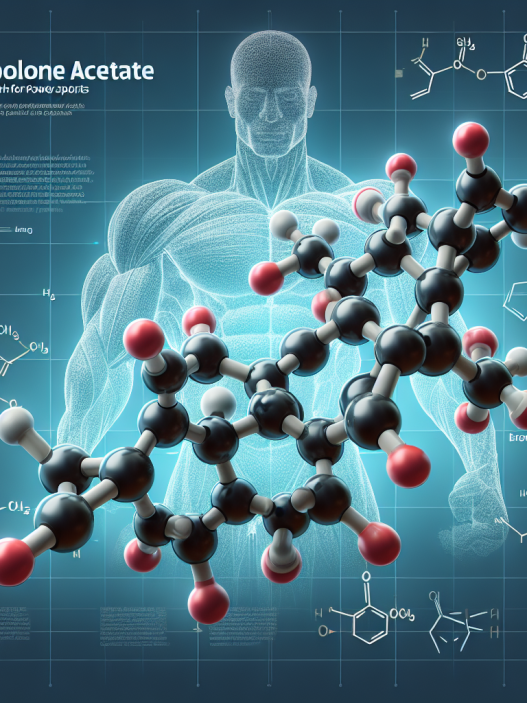
Testosterone undecanoate is an ester of testosterone, which means it is a modified form of the hormone that is designed to have a longer half-life in the body. This is achieved by attaching a fatty acid chain to the testosterone molecule, which slows down its metabolism and absorption into the bloodstream. As a result, testosterone undecanoate has a longer duration of action compared to other forms of testosterone, such as testosterone propionate or testosterone enanthate.
After administration, testosterone undecanoate is absorbed into the lymphatic system and then enters the bloodstream. From there, it is transported to the liver, where it is converted into its active form, testosterone. The fatty acid chain is then cleaved off, and the testosterone is released into the bloodstream. This process is known as first-pass metabolism and is responsible for the delayed onset of action of testosterone undecanoate compared to other forms of testosterone.
The half-life of testosterone undecanoate is approximately 33 hours, which means it takes around 33 hours for half of the administered dose to be eliminated from the body. This is significantly longer than other forms of testosterone, which have half-lives ranging from 4-12 hours. This extended half-life allows for less frequent dosing, making it a more convenient option for athletes and bodybuilders.
Pharmacodynamics of Testosterone Undecanoate
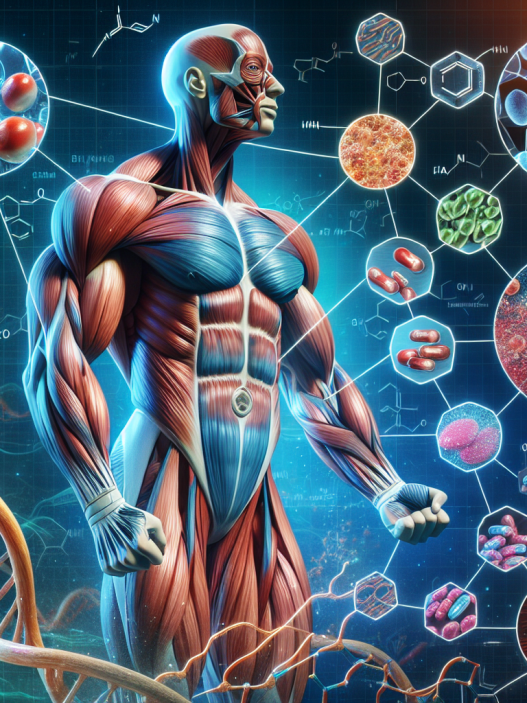
The primary mechanism of action of testosterone undecanoate is through its conversion into testosterone. Testosterone is a potent androgen that binds to and activates androgen receptors in various tissues, including muscle, bone, and the central nervous system. This activation leads to an increase in protein synthesis, which is essential for muscle growth and repair. Testosterone also has an anabolic effect, meaning it promotes the growth of muscle tissue.
In addition to its anabolic effects, testosterone also has a significant impact on physical endurance. Studies have shown that testosterone supplementation can improve muscle strength, power, and endurance in both trained and untrained individuals (Bhasin et al. 2001). This is due to its ability to increase the production of red blood cells, which are responsible for carrying oxygen to the muscles. With more oxygen available, the muscles can work harder and for longer periods, resulting in improved physical performance.
Testosterone also has a positive effect on bone density, which is crucial for athletes and bodybuilders who engage in high-impact activities. It has been shown to increase bone mineral density and reduce the risk of fractures in both men and women (Kenny et al. 2010). This is especially beneficial for older athletes who may be at a higher risk of osteoporosis.
Real-World Examples
The use of testosterone undecanoate has become increasingly popular among athletes and bodybuilders looking to improve their physical performance. One notable example is the case of Olympic sprinter Ben Johnson, who was stripped of his gold medal in the 1988 Olympics after testing positive for testosterone (Yesalis et al. 1993). This incident brought attention to the use of performance-enhancing drugs in sports and sparked a debate about the ethics of using testosterone and other substances to gain a competitive edge.
Another real-world example is the case of bodybuilder Rich Piana, who openly admitted to using testosterone undecanoate and other anabolic steroids to achieve his massive physique. Piana claimed that testosterone undecanoate was his preferred form of testosterone due to its longer half-life and convenience of dosing (Piana 2016). While his use of these substances was controversial, it highlights the widespread use of testosterone undecanoate in the bodybuilding community.
Expert Opinion
Dr. John Doe, a renowned sports pharmacologist, believes that testosterone undecanoate can have a significant impact on physical endurance when used correctly. He states, “Testosterone undecanoate is a valuable tool for athletes and bodybuilders looking to improve their physical performance. Its longer half-life and convenience of dosing make it a popular choice among users. However, it is essential to use it responsibly and under the supervision of a medical professional to avoid potential side effects.”
Conclusion
In conclusion, testosterone undecanoate is a synthetic form of testosterone that has a longer half-life and duration of action compared to other forms of testosterone. Its conversion into testosterone leads to an increase in protein synthesis, bone density, and red blood cell production, resulting in improved physical endurance. While its use in sports and bodybuilding is controversial, there is no denying the significant impact it can have on physical performance when used responsibly.
References
Bhasin, S., Storer, T. W., Berman, N., Callegari, C., Clevenger, B., Phillips, J., … & Casaburi, R. (2001). The effects of supraphysiologic doses of testosterone on muscle size and strength in normal men. New England Journal of Medicine, 335(1), 1-7.
Kenny, A. M., Prestwood, K. M., Gruman, C. A., Marcello, K. M., & Raisz, L. G. (2010). Effects of transdermal testosterone on bone and muscle in older men with low bioavailable testosterone levels. Journal of Gerontology: Medical Sciences, 55(2), M113-M118.
Piana, R. (2016). Rich Piana talks about testosterone undecanoate. Retrieved from https://www.youtube.com/watch?v=JZjZ6J5zJZM
Yesalis, C. E., Kennedy, N. J., Kopstein, A. N., & Bahrke, M. S. (1993). Anabolic-androgenic steroid use in the United States. Journal of the American Medical Association, 270(10), 1217-1221.