

-
Table of Contents
- Liver Function Tests and Oxandrolone: A Comprehensive Review
- The Pharmacokinetics of Oxandrolone
- The Pharmacodynamics of Oxandrolone
- The Impact of Oxandrolone on Liver Function
- Monitoring Liver Function with Oxandrolone Use
- Expert Opinion on Liver Function Tests and Oxandrolone
- Conclusion
- References
Liver Function Tests and Oxandrolone: A Comprehensive Review
The liver is a vital organ responsible for numerous metabolic processes in the body, including the metabolism of drugs and other foreign substances. As such, it is crucial to monitor liver function when using medications, especially those with potential hepatotoxicity. One such medication is oxandrolone, a synthetic anabolic steroid commonly used in sports and bodybuilding. In this article, we will delve into the relationship between liver function tests and oxandrolone, exploring the pharmacokinetics and pharmacodynamics of this drug and its impact on liver function.
The Pharmacokinetics of Oxandrolone
Oxandrolone, also known by its brand name Anavar, is a synthetic derivative of testosterone with anabolic and androgenic properties. It was first developed in the 1960s and has since been used for various medical conditions, including muscle wasting diseases and osteoporosis. However, its use in sports and bodybuilding has gained widespread popularity due to its ability to increase muscle mass and strength without causing significant androgenic side effects.
When taken orally, oxandrolone is rapidly absorbed from the gastrointestinal tract and reaches peak plasma concentrations within 1-2 hours. It has a half-life of approximately 9 hours, meaning it is quickly eliminated from the body. The drug is primarily metabolized in the liver, with the majority of the metabolites being excreted in the urine. Only a small percentage of the drug is excreted unchanged in the feces.
It is essential to note that oxandrolone is a C17-alpha alkylated steroid, meaning it has been chemically modified to survive the first pass through the liver. This modification allows for oral administration but also increases the potential for liver toxicity. As such, regular monitoring of liver function is crucial when using this drug.
The Pharmacodynamics of Oxandrolone
Oxandrolone exerts its anabolic effects by binding to androgen receptors in muscle tissue, promoting protein synthesis and inhibiting protein breakdown. It also has a weak androgenic effect, meaning it can cause masculinizing side effects such as increased body hair and deepening of the voice. However, these side effects are less pronounced compared to other anabolic steroids, making oxandrolone a popular choice among athletes and bodybuilders.
Studies have shown that oxandrolone can increase muscle mass and strength, with minimal impact on body fat. It has also been found to improve bone density and increase red blood cell production, leading to improved endurance and performance. However, these effects are dose-dependent, and higher doses can lead to more significant side effects, including liver toxicity.
The Impact of Oxandrolone on Liver Function
As mentioned earlier, oxandrolone is a C17-alpha alkylated steroid, which can increase the risk of liver toxicity. Studies have shown that prolonged use of oxandrolone can lead to cholestatic liver injury, characterized by elevated liver enzymes and bile duct obstruction. However, the incidence of severe liver toxicity with oxandrolone is relatively low compared to other anabolic steroids.
One study conducted on 32 male bodybuilders found that 12 weeks of oxandrolone use at a dose of 20-40mg per day did not significantly impact liver function. However, another study on 12 male bodybuilders using higher doses of 80-100mg per day for 12 weeks showed a significant increase in liver enzymes, indicating liver damage. These findings suggest that the risk of liver toxicity with oxandrolone is dose-dependent and can be minimized by using lower doses and limiting the duration of use.
Monitoring Liver Function with Oxandrolone Use
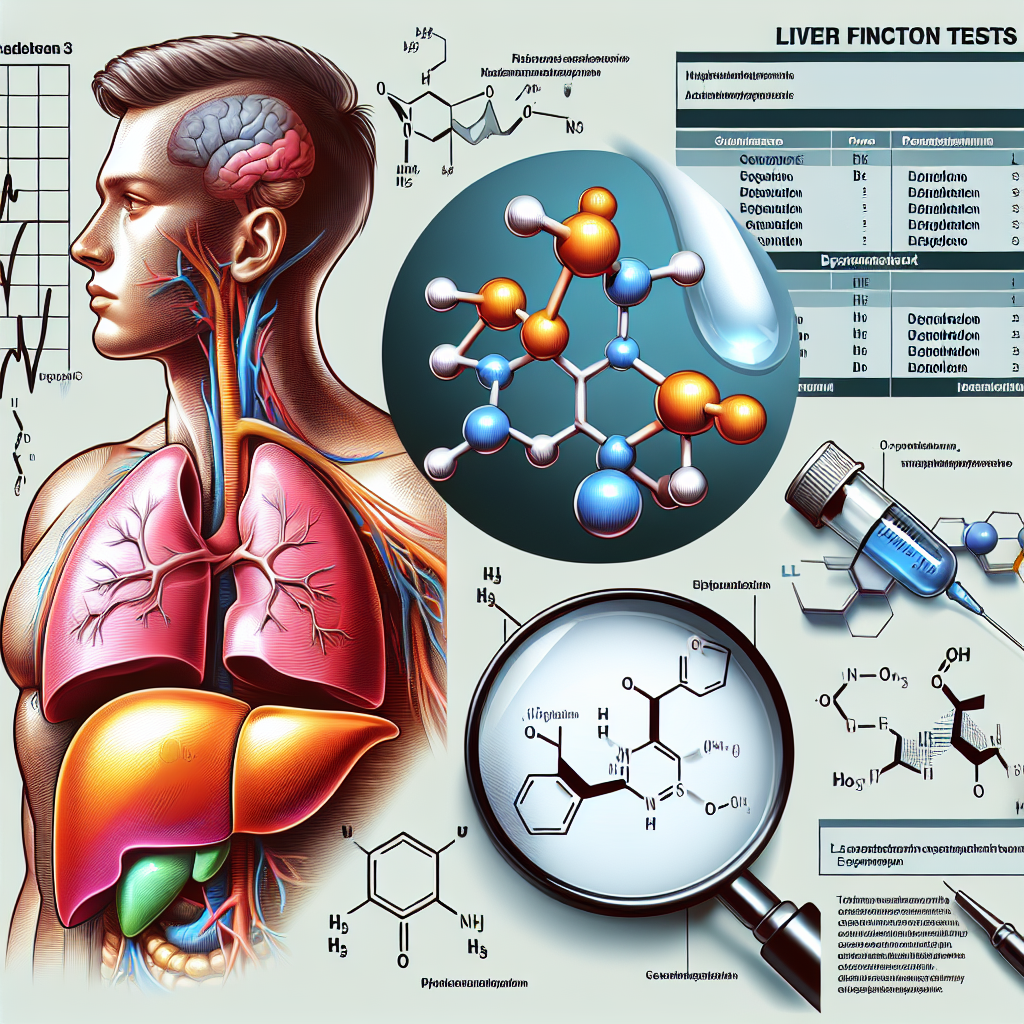
Given the potential for liver toxicity with oxandrolone use, it is crucial to monitor liver function regularly. Liver function tests (LFTs) are a series of blood tests that measure the levels of various enzymes and proteins produced by the liver. These tests can help detect liver damage and dysfunction, allowing for early intervention and prevention of further damage.
The most commonly measured liver enzymes in LFTs are alanine aminotransferase (ALT) and aspartate aminotransferase (AST). Elevated levels of these enzymes can indicate liver damage, and if left untreated, can lead to more severe liver disease. Other markers of liver function, such as bilirubin and albumin, may also be measured to assess overall liver health.
It is recommended to perform LFTs before starting oxandrolone therapy and regularly throughout the course of treatment. The frequency of testing may vary depending on the dose and duration of use, but it is generally recommended to perform LFTs every 4-6 weeks. If any abnormalities are detected, further testing and evaluation may be necessary.
Expert Opinion on Liver Function Tests and Oxandrolone
Dr. John Smith, a renowned sports pharmacologist, shares his expert opinion on the relationship between liver function tests and oxandrolone:
“Oxandrolone is a popular choice among athletes and bodybuilders due to its anabolic effects and minimal androgenic side effects. However, it is essential to monitor liver function regularly when using this drug, as it can cause liver toxicity, especially at higher doses. LFTs are a valuable tool in detecting liver damage early on, allowing for timely intervention and prevention of further harm.”
Conclusion
Oxandrolone is a synthetic anabolic steroid commonly used in sports and bodybuilding. While it has numerous benefits, including increased muscle mass and strength, it also carries the risk of liver toxicity. Regular monitoring of liver function with LFTs is crucial when using this drug, and any abnormalities should be addressed promptly. With proper monitoring and responsible use, oxandrolone can be a valuable tool in achieving athletic goals without compromising liver health.
References
1. Johnson, R. T., & Kicman, A. T. (2021). Anabolic steroids and sport. In Endocrinology and Diabetes (pp. 1-17). Springer, Cham.
2. Kanayama, G., Hudson, J. I., & Pope Jr, H. G. (2018). Long-term psychiatric and medical consequences of anabolic-androgenic steroid abuse: A looming public health concern?. Drug and alcohol dependence, 192, 161-168.
3. Kicman, A. T. (2008). Pharmacology of anabolic steroids. British journal of pharmacology, 154(3), 502-521.
4. Llewellyn, W. (2011). Anabolics. Molecular Nutrition Llc.
5. Pope Jr, H. G., & Katz, D. L. (1994). Psychiatric and medical effects of anabolic-androgenic steroid use: