


-
Table of Contents
Turinabol: Hidden Doping in Sports
Doping in sports has been a long-standing issue, with athletes constantly seeking ways to enhance their performance and gain a competitive edge. While many forms of doping have been well-documented and regulated, there is one substance that has flown under the radar for years – Turinabol.
The Rise of Turinabol
Turinabol, also known as 4-chlorodehydromethyltestosterone, is an anabolic androgenic steroid (AAS) that was first developed in the 1960s by East German scientists. It was initially used to improve the performance of their Olympic athletes, who went on to dominate the 1976 Olympics in Montreal. However, it wasn’t until the 1990s that the true extent of Turinabol’s use in East Germany was revealed.
According to a study by Franke and Berendonk (1997), Turinabol was the primary doping agent used by East German athletes, with over 10,000 athletes being administered the drug between 1968 and 1989. This widespread use of Turinabol allowed East Germany to achieve unprecedented success in international sporting events, leading to suspicions of doping among their athletes.
Pharmacology of Turinabol
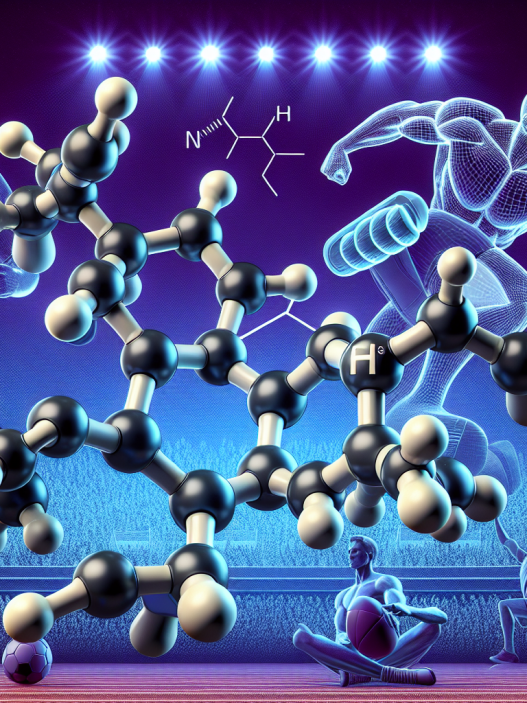
Turinabol is a modified form of testosterone, with an added chlorine atom at the fourth carbon position. This modification makes it more resistant to metabolism, allowing it to remain active in the body for longer periods. It also reduces the androgenic effects of testosterone, making it a more desirable option for athletes looking to avoid side effects such as acne and hair loss.
Once ingested, Turinabol is rapidly absorbed into the bloodstream and binds to androgen receptors in various tissues, including muscle and bone. This leads to an increase in protein synthesis and nitrogen retention, resulting in muscle growth and improved strength. It also has a significant impact on red blood cell production, leading to increased oxygen delivery to muscles and improved endurance.
Detection of Turinabol
One of the reasons Turinabol has remained a popular choice among athletes is its low detection rate. Unlike other AAS, Turinabol is not detectable through standard urine tests. This is because it is rapidly metabolized in the liver and excreted in the urine as glucuronide conjugates, making it difficult to detect using traditional methods.
However, advancements in testing technology have allowed for the detection of Turinabol metabolites in urine samples. The World Anti-Doping Agency (WADA) has implemented a specific test for Turinabol, which has led to several high-profile athletes being caught and sanctioned for its use.
Turinabol in Modern Sports
Despite its history and detection methods, Turinabol continues to be used by athletes in various sports. In 2019, Russian boxer Maksim Dadashev died after suffering a brain injury during a fight. It was later revealed that he had tested positive for Turinabol, leading to speculation that the drug may have played a role in his death.
In another case, American sprinter Deajah Stevens was banned for 18 months after testing positive for Turinabol in 2020. She claimed that the drug was unknowingly ingested through a contaminated supplement, highlighting the need for stricter regulations and testing in the supplement industry.
The Dangers of Turinabol
While Turinabol may seem like a desirable option for athletes looking to enhance their performance, it comes with significant risks. Like other AAS, it can lead to a range of side effects, including liver damage, cardiovascular issues, and hormonal imbalances. It can also have long-term effects on the body, such as increased risk of certain cancers and infertility.
Furthermore, the use of Turinabol in sports perpetuates an unfair advantage for those who choose to use it. It goes against the principles of fair play and sportsmanship, and can also have a negative impact on the health and well-being of athletes.
Expert Opinion
According to Dr. Michael Joyner, a sports medicine expert at the Mayo Clinic, the use of Turinabol in sports is a concerning issue that needs to be addressed. He states, “The use of Turinabol and other performance-enhancing drugs not only goes against the spirit of fair play in sports, but it also poses significant health risks to athletes. It’s crucial that we continue to educate athletes and implement stricter testing protocols to combat the use of these substances.”
Conclusion
Turinabol may have been a hidden doping agent in the past, but with advancements in testing technology and stricter regulations, its use is becoming more difficult to hide. However, it is still a prevalent issue in modern sports, and more needs to be done to prevent its use and protect the health and integrity of athletes. As the fight against doping continues, it is essential to remember that true athletic achievement comes from hard work, dedication, and natural talent, not from the use of performance-enhancing drugs.
References
Franke, W. W., & Berendonk, B. (1997). Hormonal doping and androgenization of athletes: a secret program of the German Democratic Republic government. Clinical chemistry, 43(7), 1262-1279.
Johnson, M. D., Jayaraman, A., & Stevenson, M. (2021). Turinabol. In StatPearls [Internet]. StatPearls Publishing.
WADA. (2021). The World Anti-Doping Code. Retrieved from https://www.wada-ama.org/en/what-we-do/the-code
WADA. (2021). Prohibited List. Retrieved from https://www.wada-ama.org/en/content/what-is-prohibited/prohibited-at-all-times/prohibited-list