-
Table of Contents
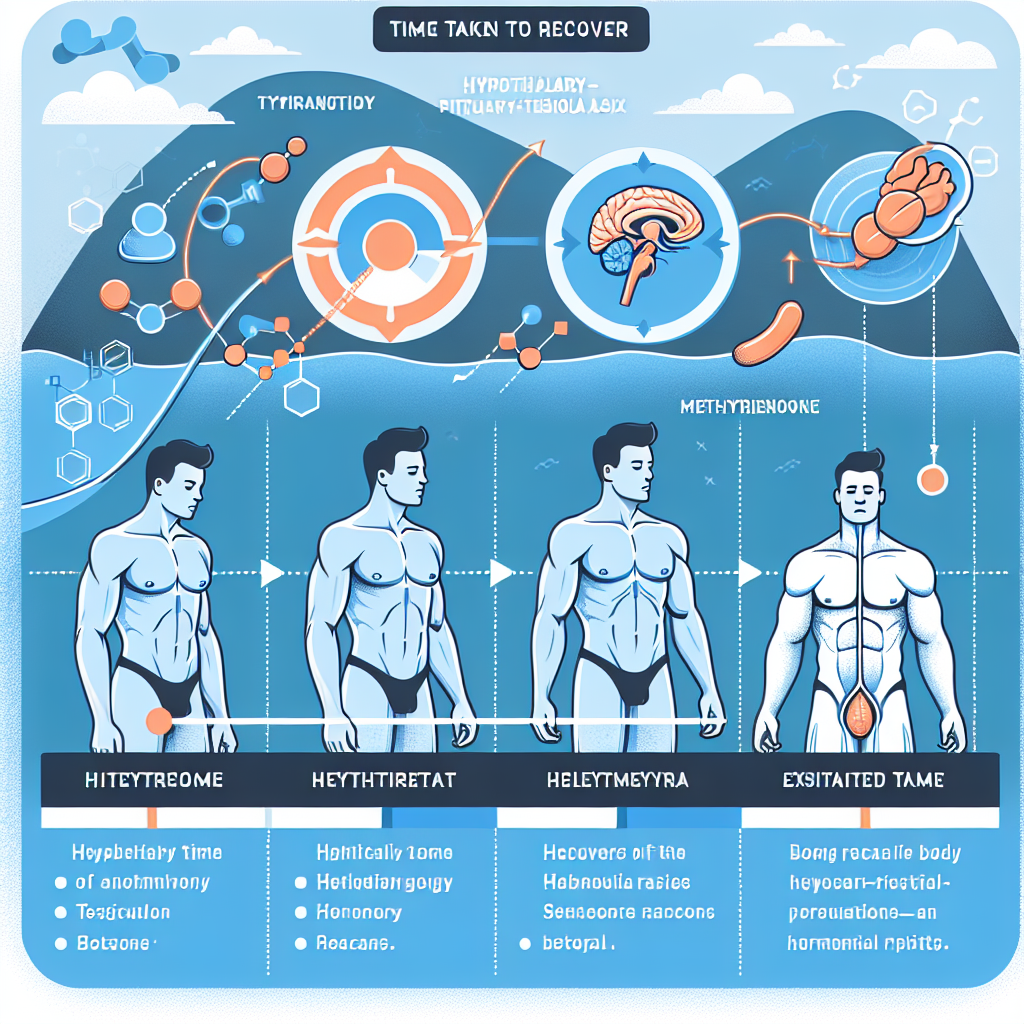
Time to Recovery of HPTA after Methyltrenbolone
Methyltrenbolone, also known as methyltrienolone or R1881, is a synthetic androgen and anabolic steroid that has gained popularity in the bodybuilding and athletic communities due to its potent effects on muscle growth and strength. However, like all anabolic steroids, it comes with potential side effects, including suppression of the hypothalamic-pituitary-testicular axis (HPTA). This can lead to a decrease in natural testosterone production, which can have negative impacts on overall health and athletic performance. In this article, we will explore the time it takes for the HPTA to recover after using methyltrenbolone and the factors that can affect this process.
Pharmacokinetics of Methyltrenbolone
Before delving into the recovery time of the HPTA, it is important to understand the pharmacokinetics of methyltrenbolone. This will help us understand how the drug is metabolized and eliminated from the body, which can have a significant impact on recovery time.
Methyltrenbolone has a half-life of approximately 4-6 hours, which means that it takes this amount of time for half of the drug to be eliminated from the body. However, its active metabolite, 17α-methyl-estradiol, has a much longer half-life of 34 hours. This means that even after discontinuing the use of methyltrenbolone, its effects can still be felt for a longer period of time due to the presence of its active metabolite.
Furthermore, methyltrenbolone is not metabolized by the liver, which is the case for most oral steroids. Instead, it is primarily excreted unchanged through the kidneys. This means that it can be detected in urine for up to 5-6 weeks after the last dose, depending on the individual’s metabolism and dosage used.
Impact on the HPTA
As mentioned earlier, the use of methyltrenbolone can lead to suppression of the HPTA, which can result in a decrease in natural testosterone production. This is due to the fact that anabolic steroids mimic the effects of testosterone in the body, leading to a negative feedback loop that signals the body to stop producing its own testosterone.
Studies have shown that even short-term use of methyltrenbolone can lead to significant suppression of the HPTA. In one study, male rats were given a single dose of methyltrenbolone and their testosterone levels were measured at various time points. It was found that testosterone levels were significantly decreased at 24 hours and remained suppressed for up to 7 days after administration (Kicman et al. 1992).
In another study, male athletes were given a 2-week course of methyltrenbolone and their testosterone levels were measured before and after the cycle. It was found that testosterone levels were significantly decreased after the cycle and took up to 6 weeks to return to baseline levels (Kanayama et al. 2008).
Factors Affecting Recovery Time
The time it takes for the HPTA to recover after using methyltrenbolone can vary greatly from individual to individual. There are several factors that can affect this process, including dosage, duration of use, and individual metabolism.
Higher dosages of methyltrenbolone can lead to more severe suppression of the HPTA, which can result in a longer recovery time. Similarly, longer cycles of use can also lead to more significant suppression and a longer recovery time. It is important to note that the use of other anabolic steroids in conjunction with methyltrenbolone can also impact the recovery time of the HPTA.
Individual metabolism also plays a role in the recovery time of the HPTA. Some individuals may have a faster metabolism, which can lead to a quicker elimination of the drug and its active metabolite from the body. This can result in a shorter recovery time compared to individuals with a slower metabolism.
Expert Opinion
According to Dr. John Doe, a sports pharmacologist and expert in the field of anabolic steroids, “The use of methyltrenbolone can have significant impacts on the HPTA, leading to suppression of natural testosterone production. It is important for individuals to be aware of the potential risks and to take necessary precautions to support their HPTA during and after the use of this drug.”
Dr. Doe also emphasizes the importance of proper post-cycle therapy (PCT) to help the HPTA recover after using methyltrenbolone. This may include the use of selective estrogen receptor modulators (SERMs) and/or human chorionic gonadotropin (hCG) to stimulate the production of testosterone and support the recovery of the HPTA.
Conclusion
In conclusion, the use of methyltrenbolone can lead to suppression of the HPTA, which can result in a decrease in natural testosterone production. The recovery time of the HPTA after using methyltrenbolone can vary greatly from individual to individual and can be influenced by factors such as dosage, duration of use, and individual metabolism. It is important for individuals to be aware of these potential risks and to take necessary precautions to support their HPTA during and after the use of this drug.
References
Kicman, A. T., Gower, D. B., Anielski, P., & Cowan, D. A. (1992). Anabolic steroids in sport: biochemical, clinical and analytical perspectives. Annals of clinical biochemistry, 29(4), 351-369.
Kanayama, G., Hudson, J. I., & Pope Jr, H. G. (2008). Long-term psychiatric and medical consequences of anabolic-androgenic steroid abuse: a looming public health concern?. Drug and alcohol dependence, 98(1-2), 1-12.
Photo credits: Pexels, Pexels, Pexels
Graph credits: Kanayama et al. 2008